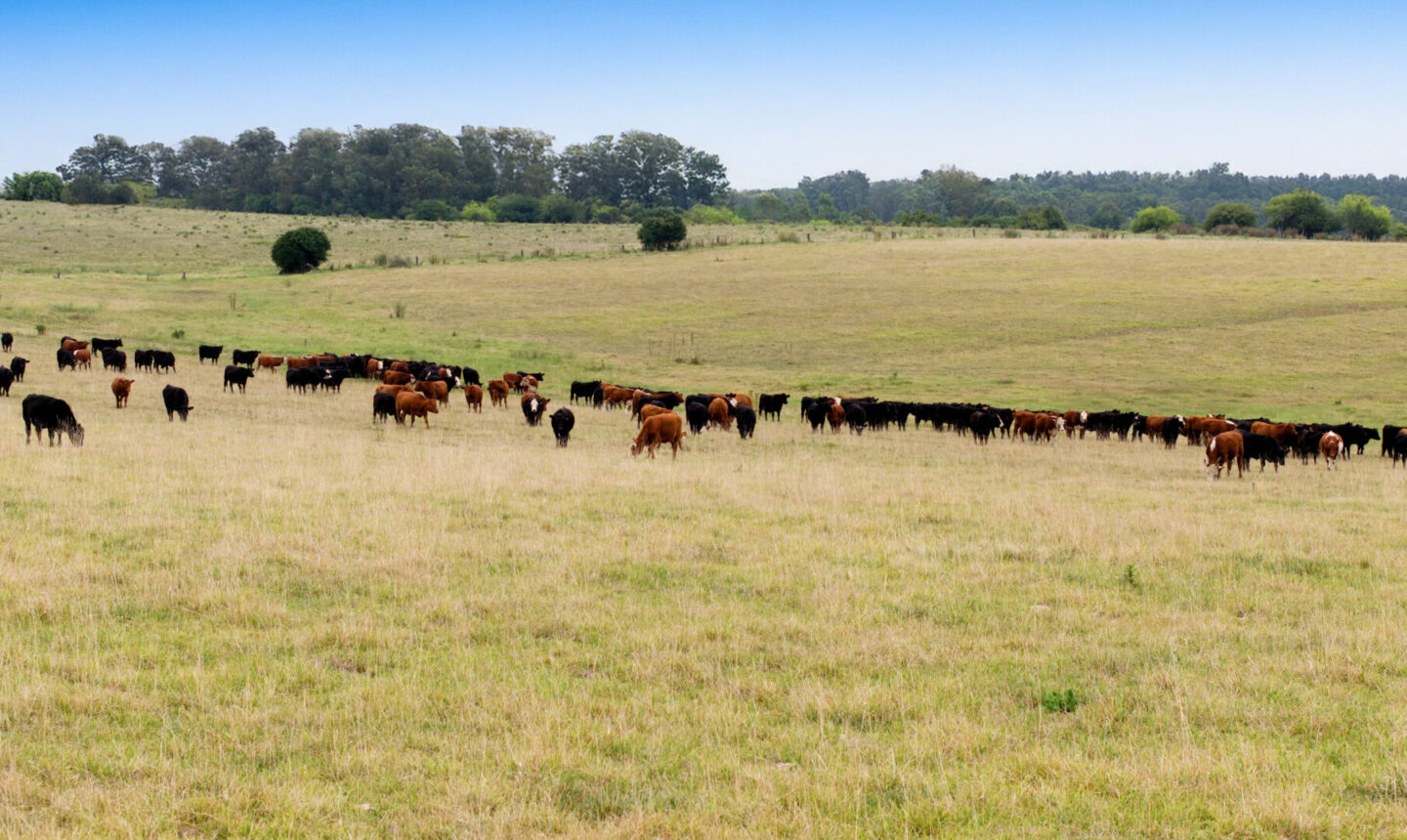
What is Rotational Grazing?
Rotational grazing is better for the planet than continuous open grazing. While conventional open grazing promotes very little if any carbon storage, rotational grazing enables the soil to remove up to 4 tonnes of carbon per hectare every year. It also results in improved soil health and water-holding capacity, and increased biodiversity.
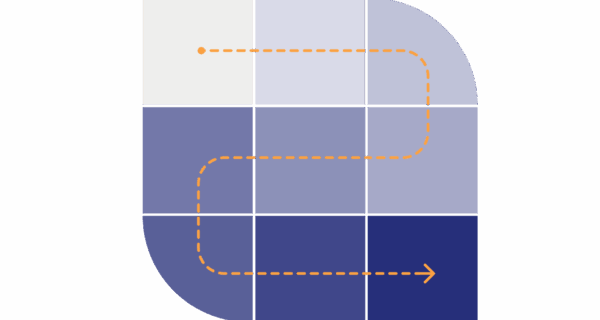

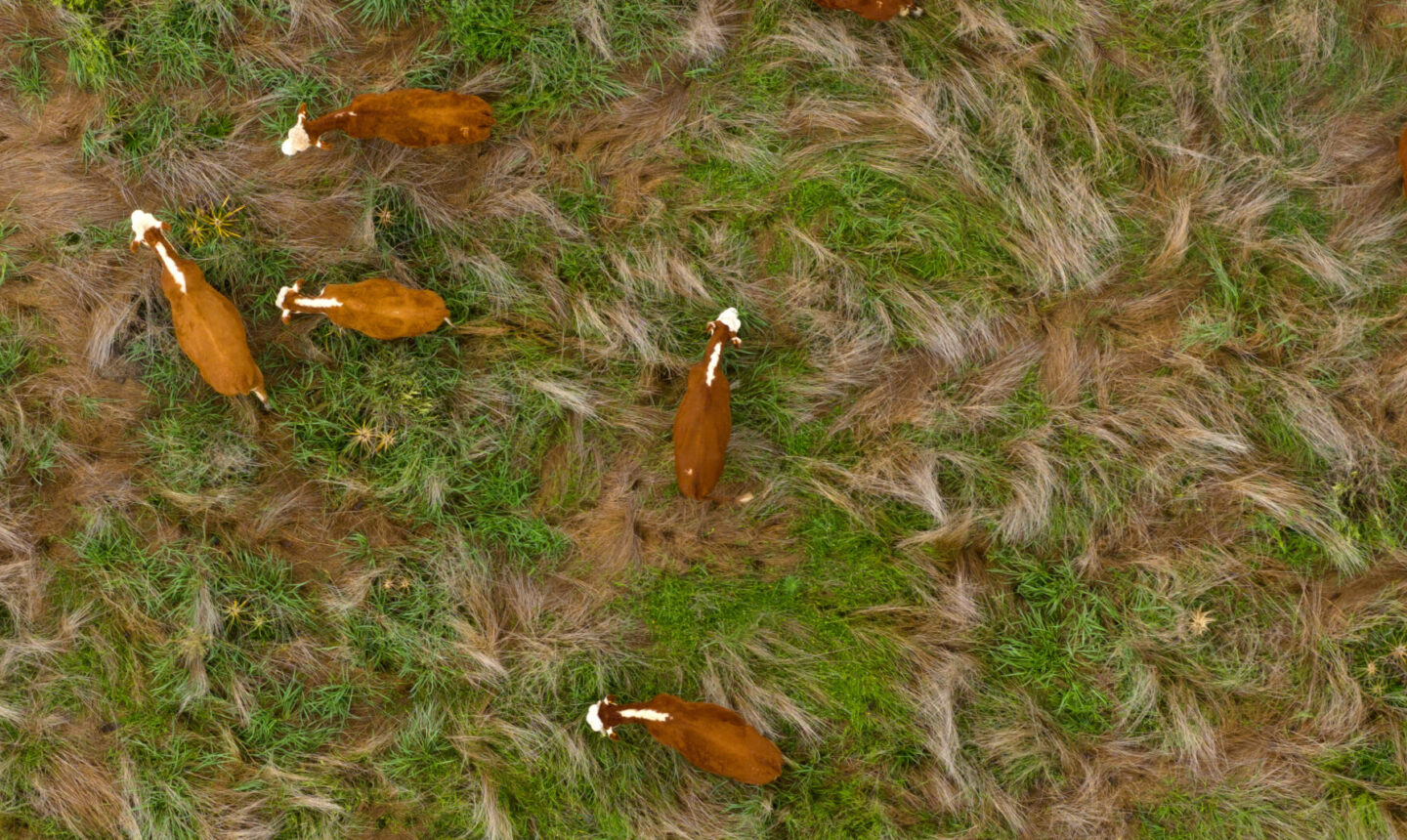
The Benefits of Rotational Grazing
When you switch to rotational grazing with CMC, you’re not just helping the planet — you’re investing in the long-term success of your farm.
Find out more